Getting started
A first bathroom refresh, in the order it earns its place
A bathroom you have just inherited rarely needs a renovation; it needs four parts changed, in an order that makes each one easier than the last. The first purchase on this list is the least interesting object in the catalogue, and everything after it depends on having made it.
By Jean-Benoit Buisson
Four changes, and the order is the argument.
1. Isolating valves, under the basin
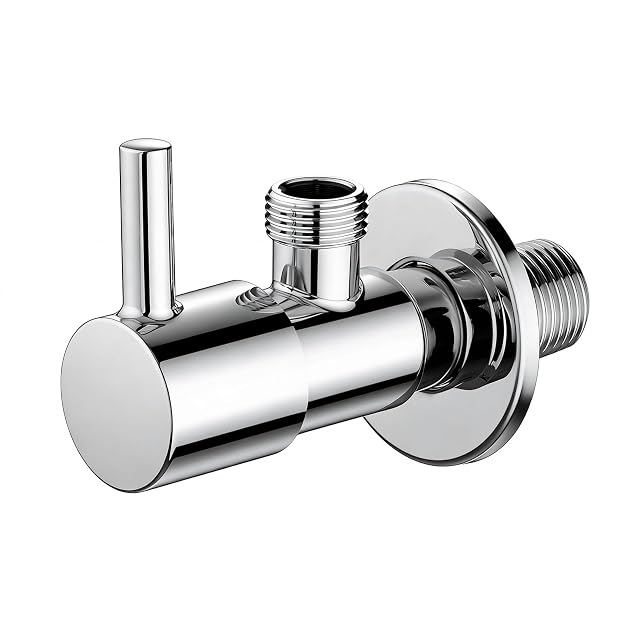
The Ibergrif angle valve is the cheapest useful thing in this catalogue and the one that makes everything below it a twenty-minute job. Two of them, one per supply, and the rest of this list stops needing the mains turned off.
If your basin already has them, open and close each one now rather than the day you need it. A valve that has not moved in ten years is the one that will not move when it matters.
2. The aerator on the tap that has gone weak
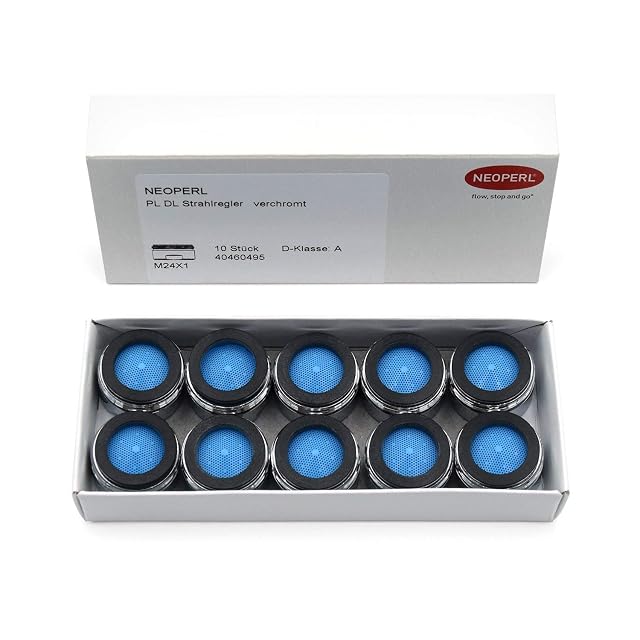
The Neoperl screen threads into the end of the spout and is the cause of weak flow far more often than the tap is. It is also the smallest purchase here that reverses a complaint people have lived with for years.
Take the old one out and measure it before ordering: M24 male and M22 female cover most European basin taps, and the two look alike online.
3. The hand shower
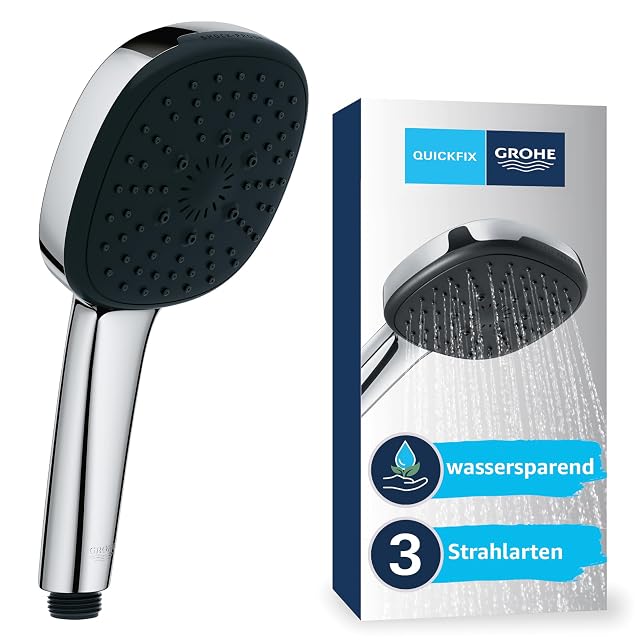
The GROHE head is the cheapest part of a shower to change and the part that changes it most. The thread is G1/2 on everything, so it fits whatever you have.
One thing to do before deciding it is weak: look in the inlet for the moulded flow restrictor and read whether the maker designed it to come out.
4. The toilet seat
The LOBENSWERK seat is the most replaced fitting in a bathroom, and the one most often returned — for a reason that has nothing to do with the seat. Take the old one off and measure three things: hinge hole spacing, length from those holes to the front of the pan, and width.
What is deliberately not on this list
Anything that means opening a wall, and anything volumetric — a bath, a tray, an enclosure. Those belong to a renovation, and all four purchases above will still be right when that renovation happens.
Questions people actually ask
Why do isolating valves come before anything visible?
Because they turn every later job from "drain the building" into "close two valves". A tap change, a hose change, a filter, a bidet seat — all of them stop being events once the valves are there.
Is an aerator really worth listing beside a tap?
It is the reason most people think they need a new tap. A blocked screen drops the flow and sprays the stream sideways, and it unscrews, soaks in descaler and costs a euro or two to replace.
Why the hand shower rather than the whole shower?
Because it is the part you hold, it changes the daily experience most, and it costs a fraction of a column. If it does not fix the complaint, the complaint was pressure, and that is a different page.
Where should I start?
With leaks, then sealant and grout. Those two fix the causes and give the biggest visible change for the least money.
What gives the most visible improvement?
Fresh sealant and clean grout, by a distance. They change how a bathroom reads more than new fittings do.
What can I do as a tenant?
A shower head, accessories and cleaning. Anything fixed needs permission, and the tenancy usually addresses it directly.
Can I do the electrical work myself?
Bathrooms have specific electrical rules for good reason. This is work with regulations attached, not a weekend job.
Why does my paint keep failing?
Almost always moisture. Improving ventilation addresses the cause, whereas repainting only postpones the same problem.
Should I seal over the old sealant?
No. It will not bond and it traps whatever was underneath. Removing the old sealant completely is most of the job.