The part that is actually running, not the whole cistern
The best cistern flush and fill valves for 2026
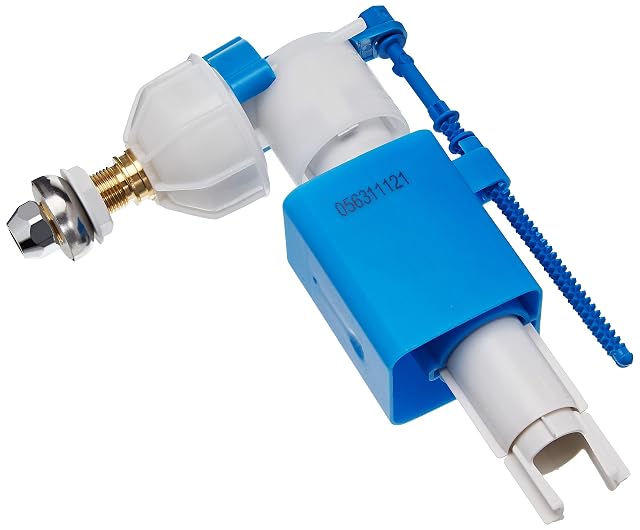
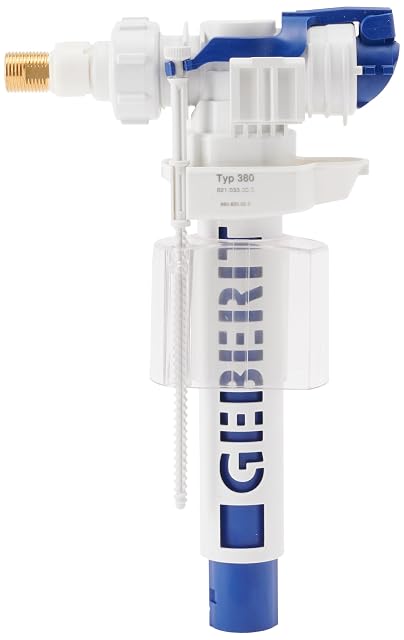
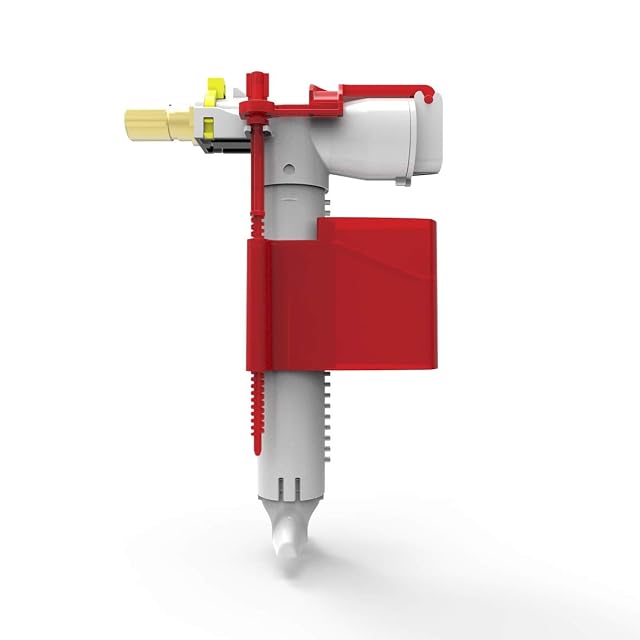
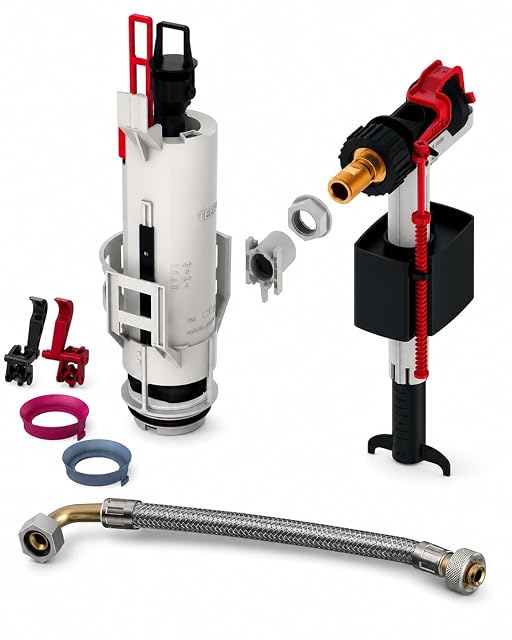
A toilet that runs is almost never a toilet that needs replacing; it is a five-euro seal on one of two parts. The fill valve lets water in and stops at a level; when it fails the cistern overflows quietly into the pan. The flush valve holds water back until you press; when its seal hardens the water trickles through continuously. Telling them apart takes a pencil mark on the water line and ten minutes. Buying the replacement then comes down to fit: the cistern opening diameter for the flush valve — 50 to 63 mm covers most — the adjustable height range, because one valve is sold to fit many cisterns, and for the fill valve, whether the inlet enters at the bottom or the side and at what thread. Dual-flush valves add a flush volume pair, usually 3 and 6 litres, which is adjustable on better units. We compare valve type, cistern opening diameter, adjustable height range, inlet connection and position, and stated flush volumes.