Getting started
A guest cloakroom, fitted out on projection
A cloakroom is small, and it is used rarely — and the second fact changes the choices more than the first. A shallow trap in a room used twice a month is what dries out and smells, and a tap nobody runs is the one whose aerator blocks. Everything here is chosen to survive being ignored.
By Jean-Benoit Buisson
Four purchases for a room whose main problem is being left alone.
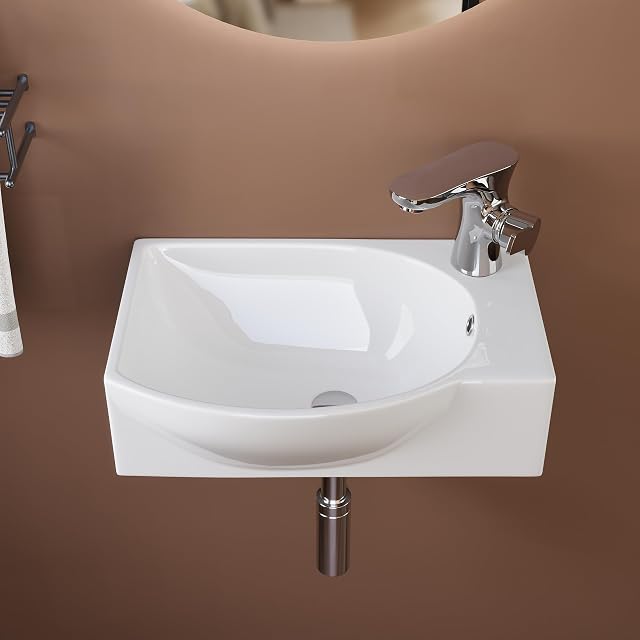
A basin chosen on projection
The DeerValley wall-hung basin is a small format with its dimensions published. In a cloakroom the number that matters is how far it sticks into the room, not how wide it is.
Check the tap hole count and whether there is an overflow. Both decide what you buy next.
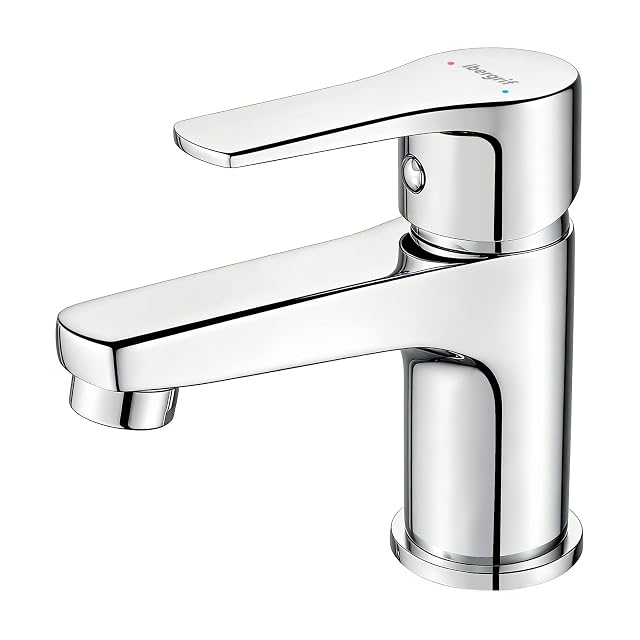
A tap that will still work in a year
The Ibergrif basin tap, and an aerator you can unscrew. In a room used twice a month, the deposit that forms while nothing runs is what people find when they finally need it.
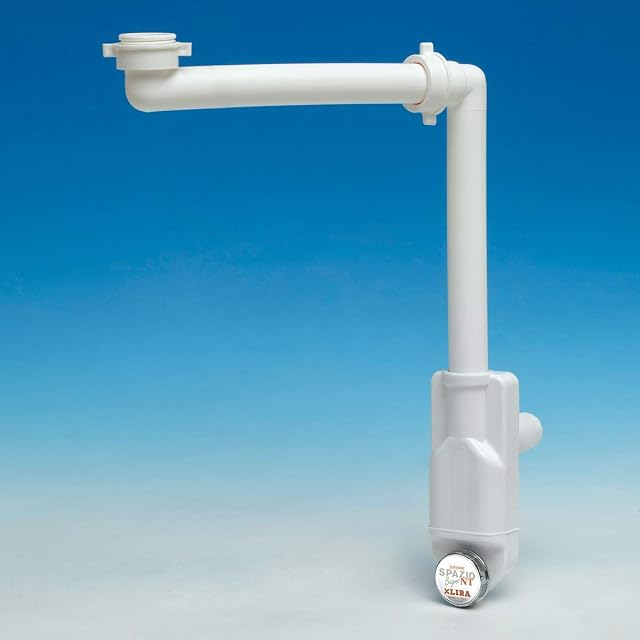
The trap, chosen on depth rather than looks
The Lira trap is the important purchase on this list. Read its water seal depth: this is precisely the room where a slimline design fails, and the failure is a smell that no product cures.
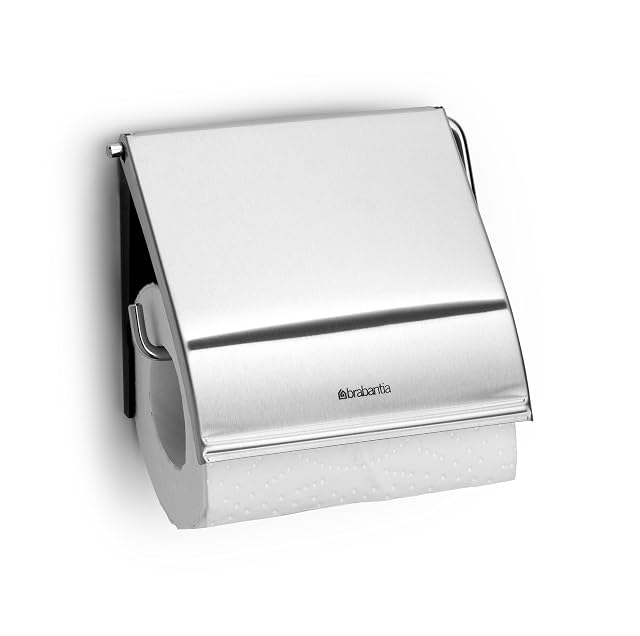
The accessory nobody plans for
The Brabantia roll holder, mounted where a guest will find it. On tile, an adhesive fixing with a metal backing plate holds well after its full cure time — respect the twenty-four hours before hanging anything.
The habit that replaces all of it
Running the tap for thirty seconds whenever you pass. It is free, and it is what keeps a rarely used room from smelling.
Questions people actually ask
Why does a rarely used room need a deeper trap?
Because the water seal evaporates. A 50 mm seal survives weeks of disuse; a 30 mm slimline seal in the same room does not, and the result is a smell with no leak.
How small can a basin be?
Small enough to wash hands in and no smaller, which in practice means reading the bowl depth as well as the width. A very shallow bowl splashes onto the floor whatever tap is above it.
Does a cloakroom need an overflow?
It is a property of the basin rather than a choice, and it decides which waste you buy — slotted with an overflow, unslotted without. Look inside for the small hole near the rim before ordering either.
What do I actually need?
A toilet and a basin. In a cloakroom that is the whole brief, and everything else is comfort rather than requirement.
How small can it be?
It is decided by projection and head height rather than floor area. If you cannot stand up, it does not work whatever the measurements say.
Do I need ventilation without a window?
Yes, and it is usually a requirement rather than a choice. A windowless room without extraction develops damp and smell fast.
Which way should the door open?
Outward or sliding in most cloakrooms. An inward door may not open at all with someone inside.
What makes it pleasant for guests?
A hook, a mirror and somewhere to put a bag. They cost almost nothing and are what people notice.
Why does it smell when nobody uses it?
Traps dry out when a room sits unused, letting drain smells back in. Running the taps periodically prevents it.