Toilets
Making an old toilet work again
Almost nothing that goes wrong with a toilet is the ceramic. A cistern that runs, a flush that no longer clears the pan and a seat that slides are three separate parts, each under thirty euros, and a pencil mark on the water line tells you which one you need.
By Jean-Benoit Buisson
Four parts, and the diagnosis first.
If it runs continuously
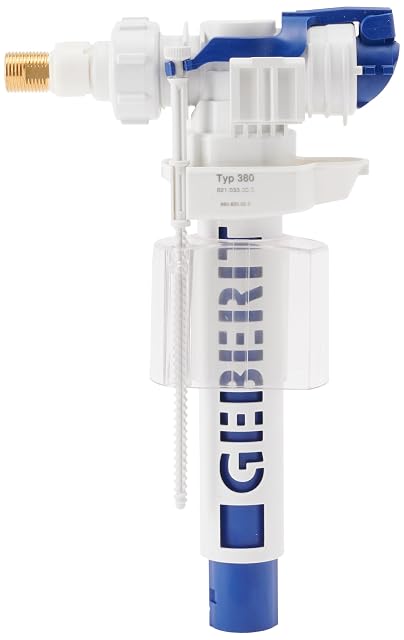
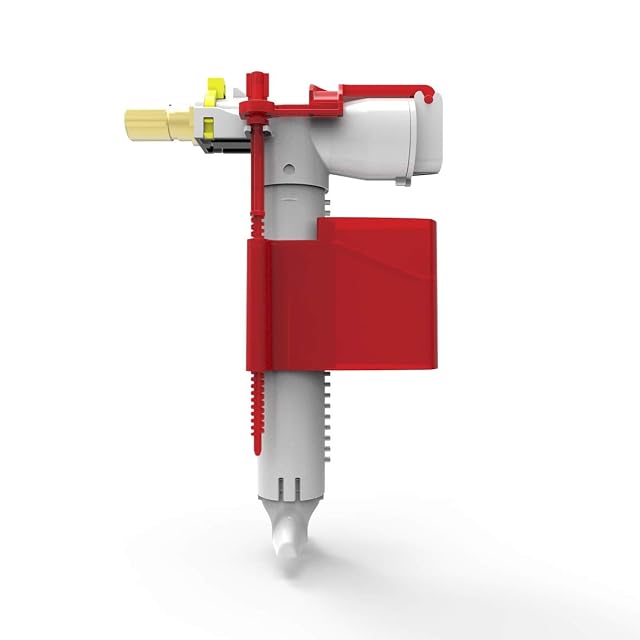
The Geberit fill valve or the Sanit valve set, depending on which side the pencil test points at. Both are stocked parts sold to fit a range of cisterns, and neither needs the toilet removed.
Photograph the inside of your cistern with a tape across the opening before ordering. That one picture answers the cistern opening diameter, the inlet position and the adjustable height range.
If the seat slides or the hinge has failed
The SCHÜTTE seat, and the three measurements taken with the old one off. Look for stainless steel fittings: in the damp recess under a pan, plated steel corrodes and seizes, and a seized bolt turns ten minutes into an hour with a cutting tool.
If you are replacing the seat anyway
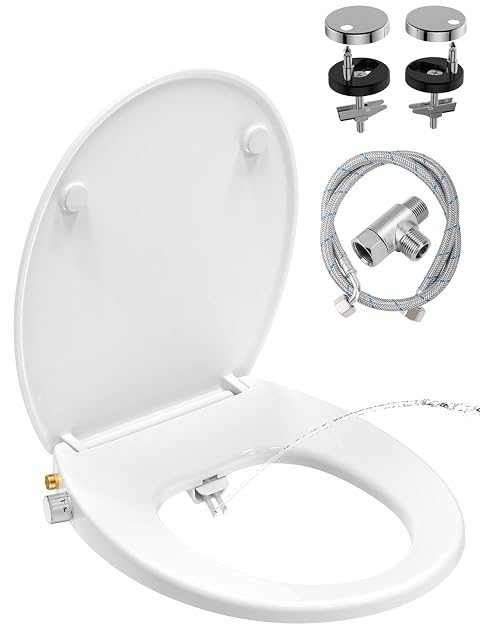
The YEAUPE PRO bidet seat fits the same measurements and needs no socket — it tees off the cold supply at the cistern’s angle valve. That is the version most European bathrooms can actually take, and it is worth knowing it exists before buying an ordinary seat.
What is almost never the answer
A new toilet. The pan is the part that does not wear out, and every fault above lives in something bolted to it.
Questions people actually ask
How do I tell which valve is leaking?
Mark the water level inside the cistern, close the isolating valve and wait twenty minutes. If the level drops, the flush valve is passing water into the pan. If it does not, the fill valve is not shutting off and the excess is going down the overflow.
Why does my flush no longer clear the pan?
Usually volume rather than force. Check the fill level, then the dual-flush setting on the valve, then the rim holes, which scale up in hard water. A cistern flushes with the water it holds, not with mains pressure.
What do I measure for a seat?
Three numbers with the old seat off: hinge hole spacing centre to centre, length from those holes to the front edge of the pan, and width at the widest point.
Why does my toilet run constantly?
Almost always a worn flush valve seal. It is an inexpensive part and the commonest repair in a bathroom.
Why is the flush weak?
Usually the water level in the cistern is set too low. It is adjustable on most mechanisms and frequently wrong.
Can I get parts for an old cistern?
Universal replacements cover most mechanisms, including old ones. Take the old part with you rather than guessing.
Is a running toilet worth fixing?
It wastes water continuously, and the fix is usually one inexpensive component. It is among the best-value repairs there is.
It leaks at the base. What now?
That is a different problem from a cistern leak, and the causes are more serious. It is worth getting looked at.
Should I just replace the toilet?
Rarely. The pan almost never fails; it is the cistern mechanism that wears, and those parts are replaceable.