What the maker declares it reduces, and nothing more
The best tap and under-sink water filters for 2026
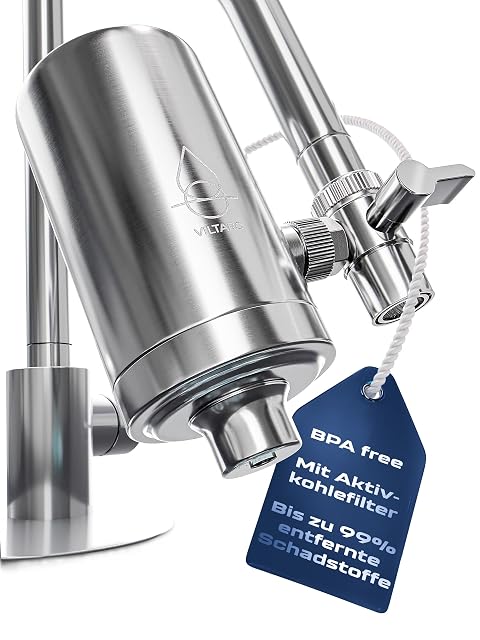
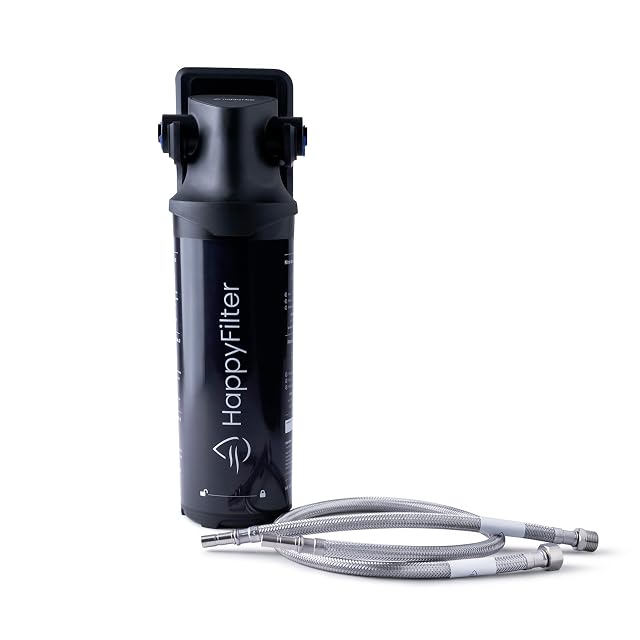
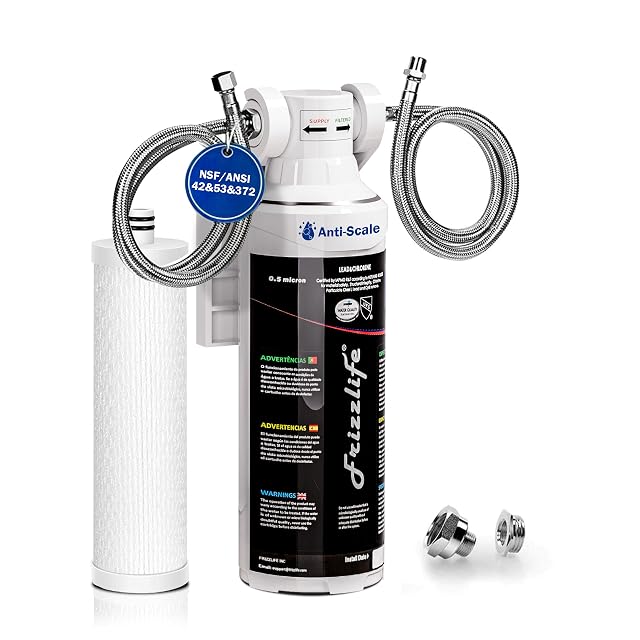
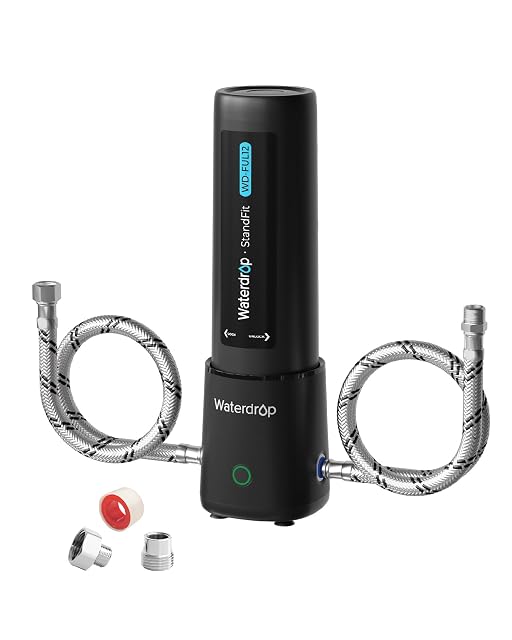
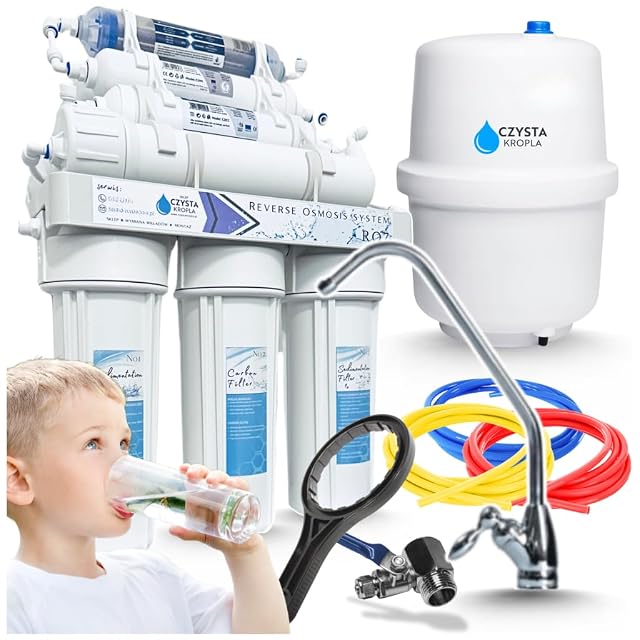
Filters are sold with claims, and the only honest way to compare them is to write down what the manufacturer declares and stop there. This site reports declared reductions — chlorine taste and odour, particles, certain metals — as declarations, and makes no health claim of its own; in the countries this site covers, mains water is already regulated as drinking water. What can be compared plainly is the hardware. Filter type sets the ballpark: activated carbon addresses taste and odour, ceramic addresses particles, reverse osmosis removes far more and wastes water doing it. Stated capacity, in litres or months, is the running cost when divided into the cartridge price — and that division is usually more revealing than any comparison of the units. Then the fit: connection size at the angle valve, whether it needs a separate tap drilled into the worktop, and the flow rate, which on a fine filter can be slow enough to notice. We compare filter type, stated capacity in litres, declared reductions, connection size, stated flow rate, and cartridge price per litre.