1. Fit isolating valves, or find the ones you have
Under the basin, one small valve on each supply. With them, every job below becomes local: close two valves, work, open two valves. Without them the mains comes off and the whole building is dry while you find out your new tap needs a longer hose.
If they are already there, open and close each one now rather than the day you need it. A valve that has not moved in ten years is the one that will not move when it matters.
2. Take the four measurements, once, and write them down
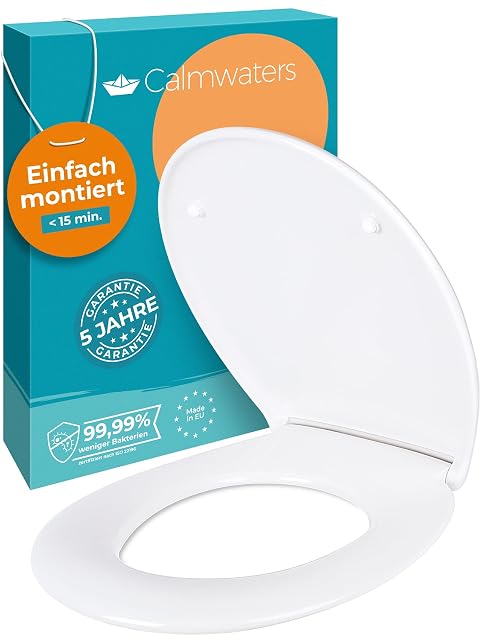
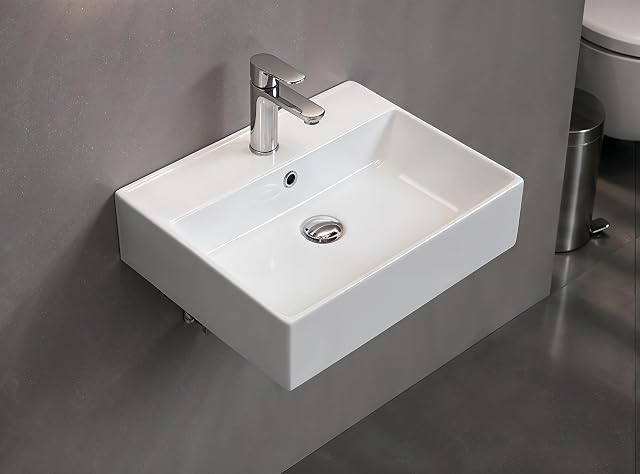
Tap hole diameter. Distance from the tap hole to the isolating valves. Toilet seat hinge spacing, length and width. Space under the basin from the waste to the back wall.
Twenty minutes with a tape now removes the guesswork from every purchase afterwards, and it is the difference between ordering once and ordering twice.
3. Deal with what annoys you daily, cheaply
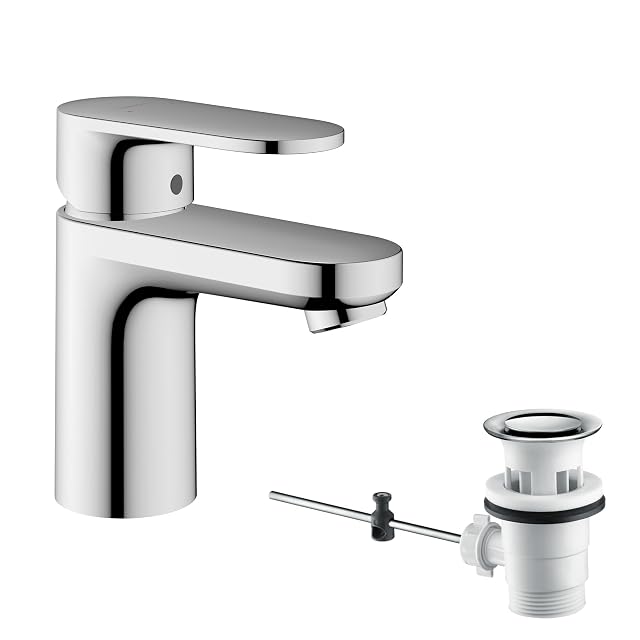
A weak tap is an aerator far more often than it is a tap. It unscrews, it soaks in descaler, it costs two euros to replace.
A disappointing shower is a hand shower, which is the cheapest part of a shower to change and the part that changes it most.
A smell with no leak is a trap whose water seal has dried out or is too shallow. Running the tap tells you which within a week.
4. Then the visible things
Toilet seat, towel rail, roll holder, mirror. These are the changes people make first and the ones that matter least mechanically — which is exactly why they are fourth here rather than first.
5. What to leave alone
Anything that means opening a wall, and anything volumetric: a bath, a tray, an enclosure, a complete toilet. Those belong to a renovation, they are the items whose references differ country by country, and every fitting above will still be right when that renovation happens.
Questions people actually ask
What if there are no isolating valves at all?
Fitting them is work on the pressurised side, with the supply off upstream, and an old outlet can be corroded. It is the boundary case in this list — the point where the honest answer depends on what you find when the water is off.
Is it worth changing a tap that still works?
Rarely, and almost never for the reason people give. If the complaint is flow, it is the aerator; if it is a drip, it is the cartridge. Both are spare parts, and both restore a tap that looked finished.
Last reviewed 5 September 2026