Where paying more genuinely buys something
The cartridge, in any tap. A standard 35 or 40 mm ceramic disc cartridge is a spare part you can buy in ten years; a proprietary insert is not, and a tap you cannot repair is a tap you replace.
The body metal. Brass or stainless steel under the plating instead of zamak, which is brittle where a thread is cut. Makers who use the first two say so.
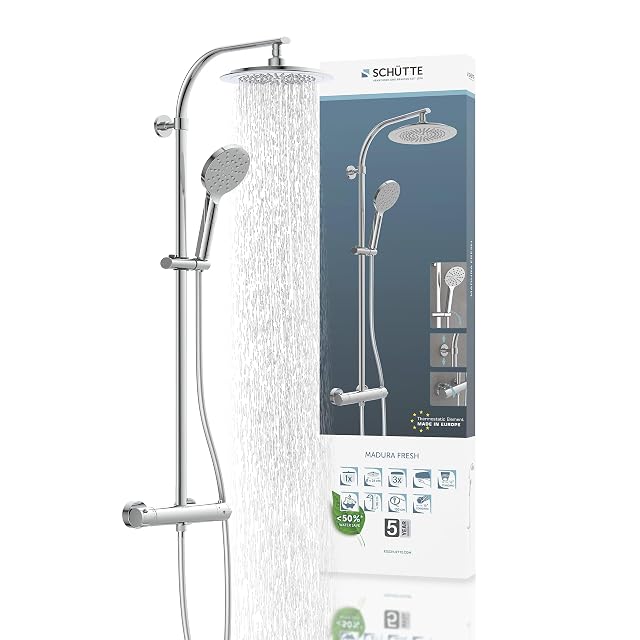
A thermostatic cartridge, where the supply actually moves — a household where a tap or an appliance changes the shower temperature mid-use.
Water seal depth in a trap, in a bathroom used rarely.
304 stainless on anything permanently in the splash zone.
Where paying more buys very little
Spray modes beyond about three, which are combinations rather than patterns.
Head size beyond what your pressure can fill. A 30 cm rain head on a weak supply is worse than a 20 cm one, not better.
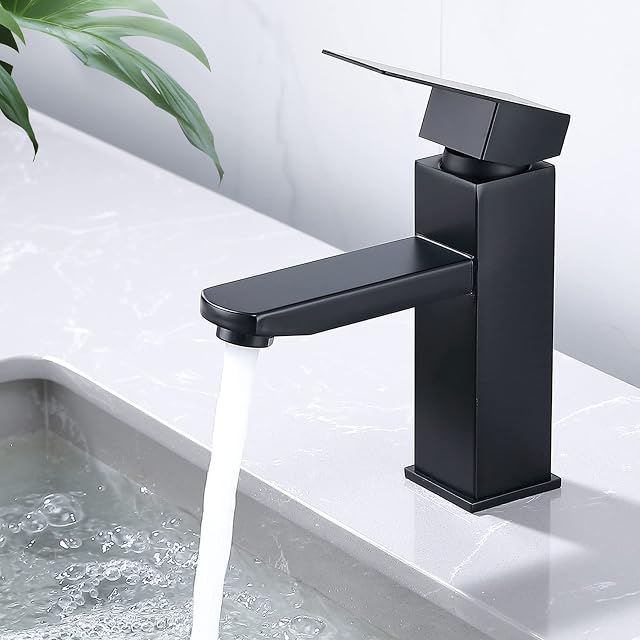
A finish, in terms of durability. Matt black, brushed and chrome are coatings; what is under them is the question.
A designer trap hidden inside a cupboard.
The five cheap purchases that outperform expensive ones
- Angle valves with a filter — they make everything else serviceable and catch the grit that ruins cartridges.
- A two-euro aerator — restores a tap most people were about to replace.
- A deeper trap — fixes a smell that no drain cleaner will.
- A hand shower — the cheapest part of a shower to change and the part that changes it most.
- A bag of cone seals — turns a “leaking hose” back into a working one.
The order to spend in
Fit the valves, then fix what annoys you daily with spare parts, then buy the visible things. Reversing that order is how people end up with an expensive tap on a supply that was never the problem.
Questions people actually ask
Is it worth buying a whole matching range?
It is the only reliable way to match finishes, because "matt black" and "brushed nickel" are not standardised colours and two makers' versions differ visibly. Whether that matters is a matter of taste rather than of function.
Do the cheapest taps ever make sense?
On a rarely used guest basin, often yes. The argument against them is repairability over ten years, and a fitting used twice a month will not reach that point.
Last reviewed 5 September 2026