Measuring first
A very small bathroom, measured before it is furnished
In a small bathroom the constraint is never floor area alone — it is projection into the space people move through. A cabinet that is three centimetres deeper, a basin that projects five centimetres further, and a door that needs its own width to open are what make a room unusable. This list is chosen on those numbers.
By Jean-Benoit Buisson
Four purchases, each chosen on a dimension rather than a look.
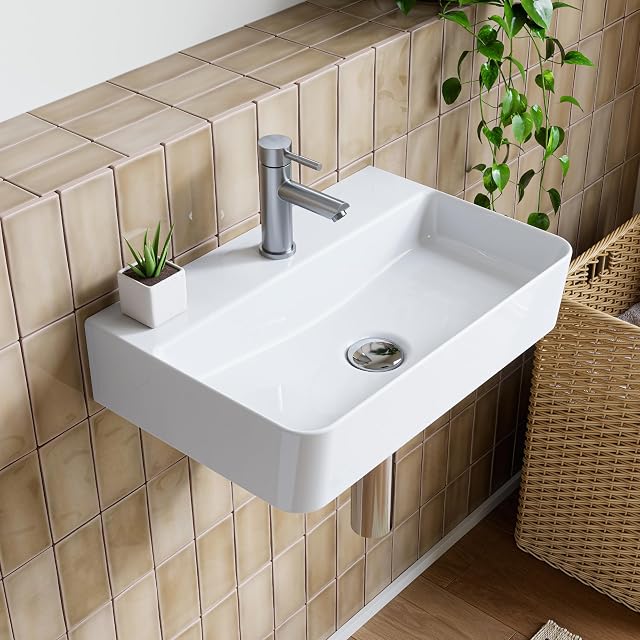
The basin, chosen on projection
The HOROW wall-hung basin is a small format, and small formats are where a centimetre decides the room. Read the projection rather than the width, and check the tap hole count — a no-hole basin needs a wall-mounted or tall countertop tap, which is a second decision.
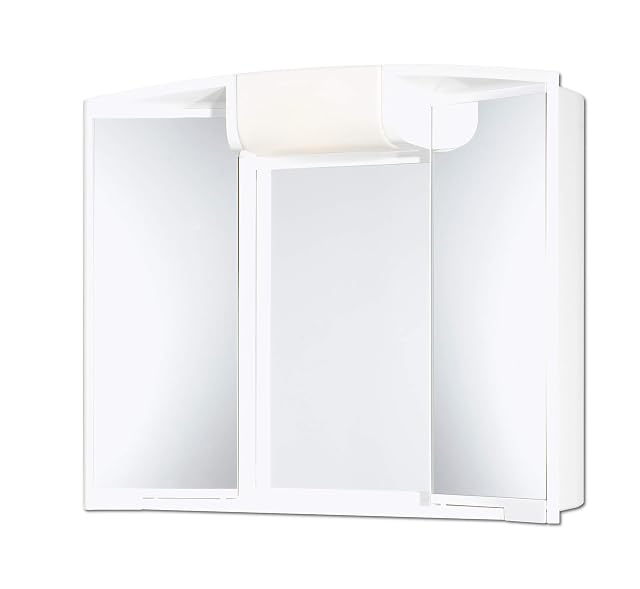
The mirror cabinet, chosen on depth
The Jokey cabinet is at the shallow end. Test the number before ordering: hold a book of that depth against the wall above your basin and lean forward as if washing your face. Twelve centimetres is forgettable, eighteen is something you walk into.
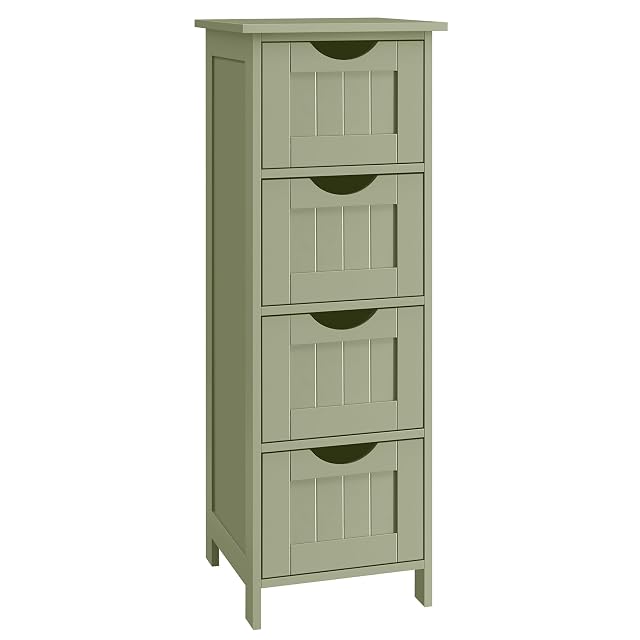
The storage, chosen on width
The VASAGLE column turns dead wall into shelves at a footprint most small rooms have. Adjustable shelves matter more than extra ones — fixed shelves at the wrong spacing waste half the volume.
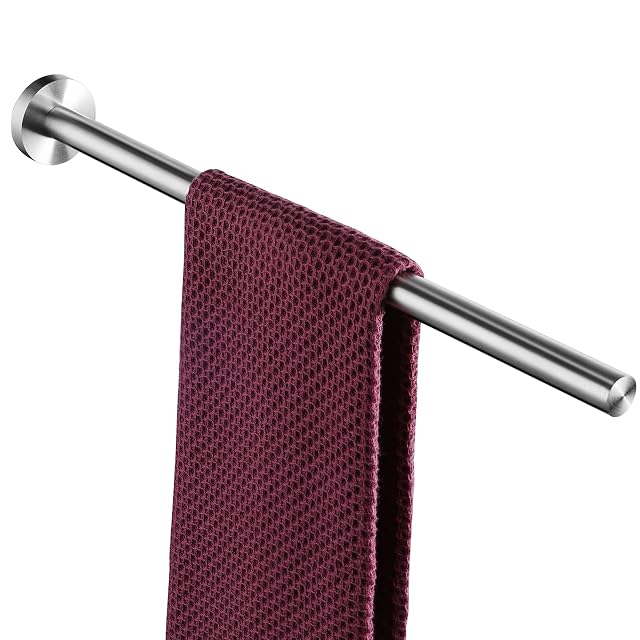
The towel rail, chosen on projection again
The ZUNTO rail stands off the wall, and that gap is what dries a towel. A rail flat against the wall in a small unventilated room is a rail that keeps a towel damp.
The purchase to avoid
A vanity unit with drawers, unless it is bought together with a space-saving trap. A standard bottle trap is the reason most vanity drawers stop four centimetres short of closed, and in a small room that unit is not replaceable easily.
Questions people actually ask
Which single measurement matters most?
Projection — how far something sticks into the room. A basin's projection and a cabinet's depth decide whether two people can pass, and neither is the dimension listings lead with.
Are sliding-door cabinets worth it?
In a narrow room, yes. A single door needs its whole width of clear wall to open; sliding doors need none. What you give up is ever having the whole mirror open at once.
Is a tall narrow cabinet safe?
It is the most efficient storage in a small bathroom and the least stable object in it. Every serious maker supplies an anti-tip anchor and instructs you to fix it to the wall — follow that instruction, particularly with children in the house.
Where do I gain the most space?
Usually the door. Its swing often claims more floor than any fitting, and changing it is frequently the cheapest gain.
What should I measure?
The space to use each fitting, not just the fitting itself. A toilet that fits but leaves no knee room is not usable.
Do wall-hung fittings help?
They free visible floor and make cleaning easier, which makes a small room read larger. The installation is more involved.
Where should storage go?
Vertically. The space above the door, above the toilet and beside the basin is usually entirely unused.
Can I still have a bath?
Short baths exist. Work out what it costs you in standing space before deciding, because that is the trade.
Why does my small bathroom get mouldy?
Little air and a lot of wet surface. Ventilation matters more in a small bathroom than anywhere else in the house.