What the maker puts in writing
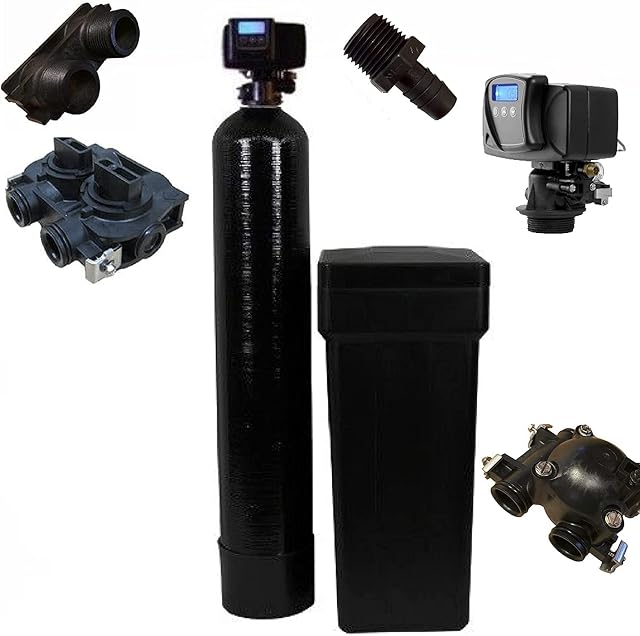
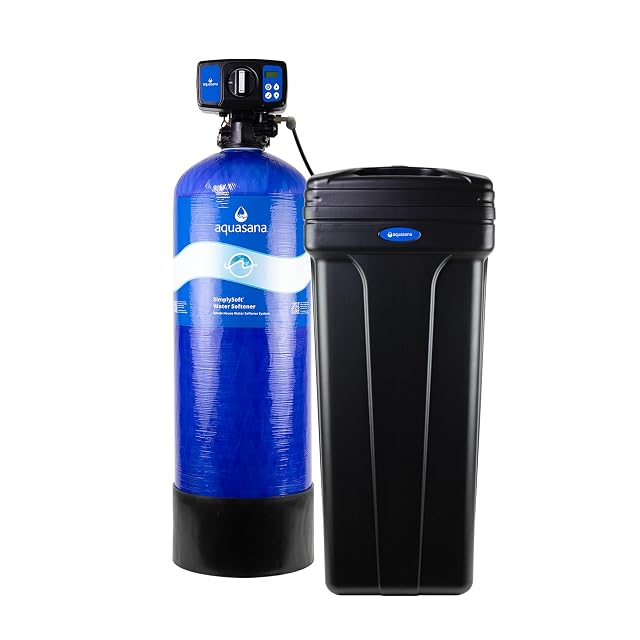
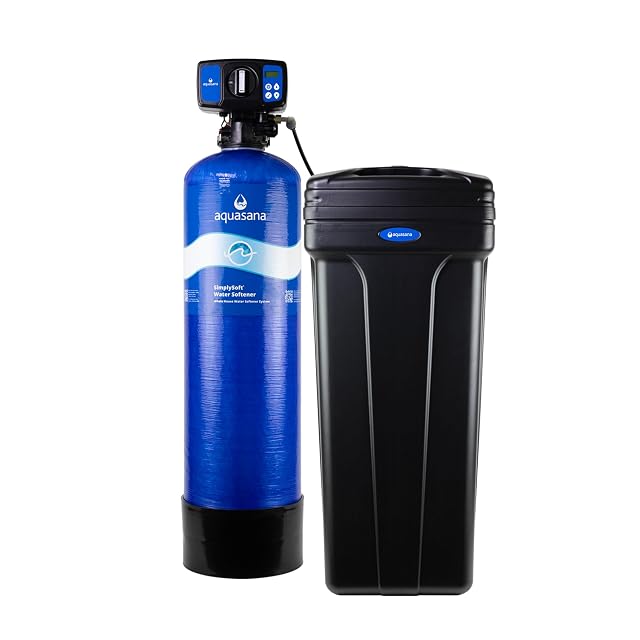
- “This is the professional grade Whole House Water system that delivers high quality filtered, ultra-softened water to every outlet throughout your entire home. Rated to treat 48,000 grains of hardness”; perfect for 1-6 bathrooms
- Triple Purpose Sediment/GAC/Zinc pre-filters removing chlorine, VOCs, odors, taste, soil, silt, sand, rust, heavy metals and sediment
- “The Aquasure Reverse Osmosis system is a 4-stage water filtration system… Easily replace filters every 6-12 months for best filtration and flow rate”
- An automatic digital metered control head with a programmable backlit display; automatic regeneration and backwash with no manual intervention
- A fiberglass-lined polyethylene tank, a durable bypass valve and prefilled premium-grade resin; 30-day money-back, 5-year extended warranty, lifetime US tech support on activation within 60 days
- From the description: “Ideal for homes with 4-6 bathrooms and up to 8 people… Rated to treat hardness of up to 72,000 Grains, our Harmony Series Water Softener (AS-HS72D)”
Forty-eight thousand, or seventy-two thousand
The page says both, about its own softener, on the same page.
Title: (72,000 Grains)
Bullet one: Rated to treat 48,000 grains of hardness
Description: hardness of up to 72,000 Grains, our Harmony Series Water Softener (AS-HS72D)
Fifty per cent apart, on the only specification that lets a softener be sized or compared.
The model number in the description — AS-HS72D — points to 72,000, and Aquasure sells a separate 48,000-grain unit on this shelf as AS-HS48D, which is where that bullet most likely came from.
At $1,079.99 the difference is $15.00 a thousand grains against $22.50. Ask the seller which it is before ordering.
What the bundle is actually for
This is the only listing on this shelf that treats the water you drink, and the distinction is worth making plainly because it is widely misunderstood.
A softener does not improve drinking water. It exchanges calcium and magnesium for sodium. It stops scale in the heater and the kettle, and it does nothing about taste, nitrates, lead, fluoride or dissolved solids — and it slightly raises the sodium in every glass.
Reverse osmosis forces water through a membrane that rejects most dissolved substances. That is why it is the standard for a drinking faucet.
Softener for the plumbing. RO for the glass. Pre-filter protecting both — and protecting the resin itself, since chlorine oxidizes softener resin.
Eleven listings on this shelf do the first job only.
And what the RO costs after the first bill
Filters every 6 to 12 months, which Aquasure states and gives a part number for. That is the honest running cost of reverse osmosis, and it is the reason RO belongs under one sink rather than on the whole house.
One thing the page does not mention: a 75 gallon-a-day membrane sends several gallons to drain for every gallon it makes. That is normal for the technology, and worth knowing before plumbing it in.
What is still missing
No certification, on this or on any of the five Aquasure listings here — where both Aquasanas publish IAPMO certification to NSF/ANSI 44.
No flow rate. No resin volume.
And the five-year warranty carries the same condition as the rest of the range: register online within sixty days or it does not apply.
Availability
Available at around $1,079.99 on Amazon.com when we checked on October 29, 2026, for delivery to a US address.
Stock and prices on Amazon.com move without notice; the button above opens the live listing.
Prices quoted in this text were read on October 29, 2026. The live price is at the top of the page.
The questions we get
Which grain figure is right — 48,000 or 72,000?
The page says both, and the discrepancy is 50% on the single specification that matters. The title reads "(72,000 Grains)" and the description says "Rated to treat hardness of up to 72,000 Grains, our Harmony Series Water Softener (AS-HS72D)" — while the first bullet says "Rated to treat 48,000 grains of hardness". The model number in the description, AS-HS72D, supports 72,000, and Aquasure sells a separate 48,000-grain model as AS-HS48D, so the likeliest explanation is that bullet one was copied from that listing. Ask before ordering: at $1,079.99 the difference between 48,000 and 72,000 grains is the difference between $22.50 and $15.00 a thousand.
Why add reverse osmosis if the softener already treats the water?
Because they do unrelated jobs, and this is the one listing on this shelf that addresses both. A softener exchanges calcium and magnesium for sodium — it stops scale, and it does nothing for taste, nitrates, lead, fluoride or dissolved solids, and it slightly raises the sodium you drink. Reverse osmosis forces water through a membrane that rejects most dissolved substances, which is why it is the standard for drinking water. One treats the plumbing; the other treats the glass. Eleven listings here do only the first.
What does the RO cost to run?
Filters, every 6 to 12 months, which Aquasure states and gives a part number for. That is the honest ongoing cost of reverse osmosis and the reason it belongs under the sink rather than on the main. It also wastes water — a 75 gallon-a-day membrane sends several gallons to drain for each gallon it makes — which is normal for the technology and not mentioned on the page.